Iran to Levy Crypto Tolls on Tankers Passing Through Strait of Hormuz, FT Reports
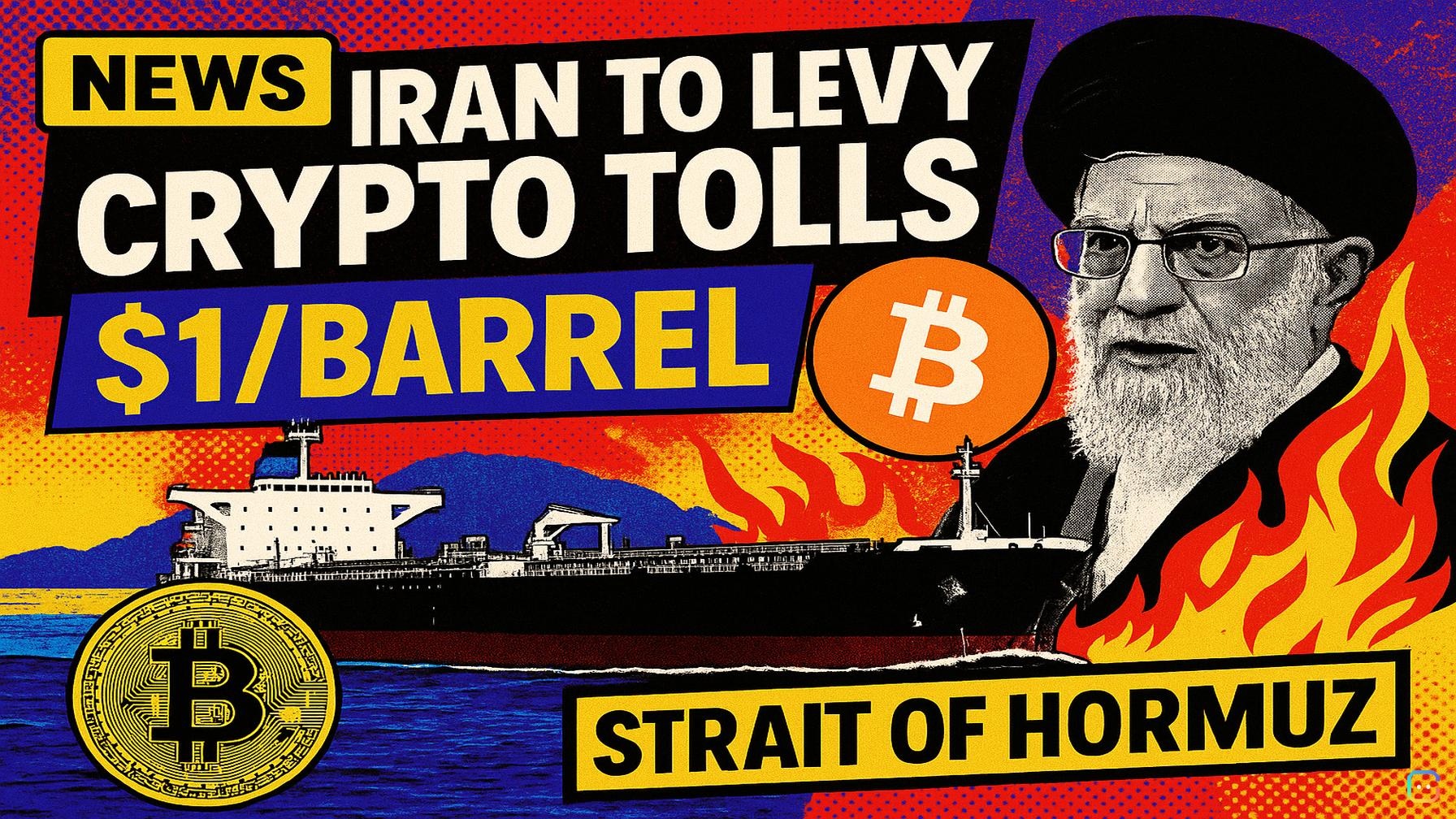
Iran plans to charge oil tankers transiting the Strait of Hormuz in cryptocurrency during a two‑week ceasefire with the U.S., a spokesperson for the country’s Oil, Gas and Petrochemical Products Exporters’ Union told the Financial Times.
According to Hamid Hosseini, Iran will impose crypto‑denominated transit fees on fully loaded vessels as part of a scheme “to monitor what goes in and out of the strait to ensure these two weeks aren’t used for transferring weapons.” The fee is reportedly set at $1 per barrel, and tankers must notify Iranian authorities of cargo details by email before being cleared for passage. Empty tankers, Hosseini said, would transit without charge.
How the payments would work
Hosseini told the FT that, after Iran reviews the emailed cargo information, authorities would instruct operators how to settle the toll in digital assets — with bitcoin named as a potential payment method. He described a rapid payment window “a few seconds” long, saying the short window would prevent tracing or confiscation in the context of sanctions.
Why this matters for crypto
The move highlights how state actors are increasingly experimenting with cryptocurrencies for real‑world payments in geopolitically sensitive situations. Nations at odds with the U.S. and allies have previously used digital assets to sidestep traditional banking rails that leave paper trails; Russia’s use of crypto amid sanctions has been widely documented. In Iran’s case, officials have also framed digital payments as a tool to unlock funds for rebuilding war‑damaged infrastructure.
Geopolitical and commercial implications
The plan reportedly includes routing recommendations that could steer traffic along the northern channel of the strait, closer to Iran’s coastline — a shift that could heighten navigational and security concerns for Western and Gulf‑linked shipping firms. Whether international shippers will comply, and how insurers and regulators will respond, remains unclear.
This development will be watched closely by the crypto industry and maritime stakeholders alike: it tests the use of crypto for state‑level fee collection, raises questions about on‑chain privacy and sanctions enforcement, and could reshape operational decisions for one of the world’s most strategically important shipping chokepoints. All details above are based on statements to the Financial Times by Hamid Hosseini.
Read more AI-generated news on: undefined/news