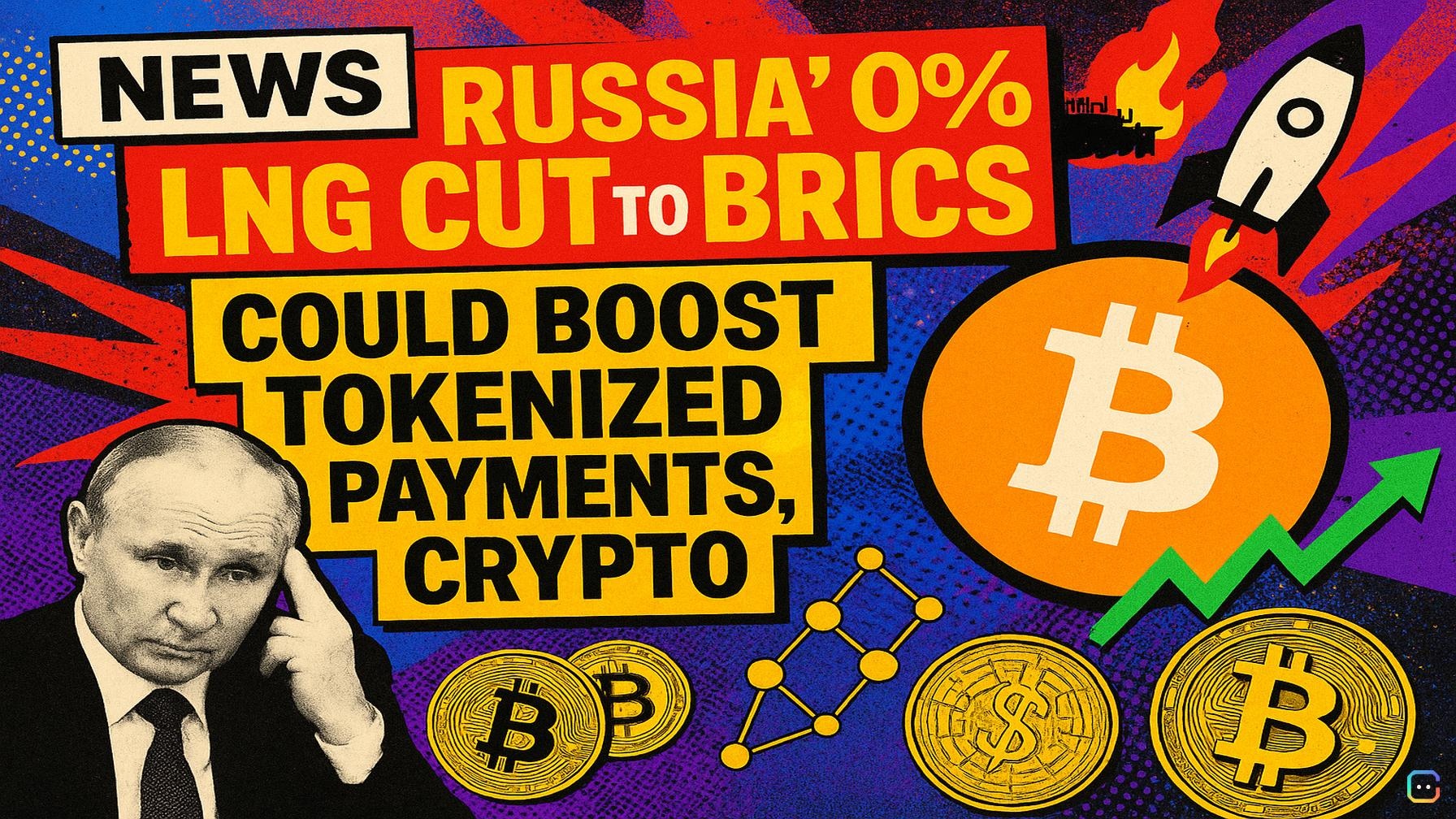
Headline: Russia slashes LNG prices for South Asia and BRICS amid Strait of Hormuz disruption — potential ripple effects for markets and crypto
Russia is offering steep discounts on liquefied natural gas (LNG) to South Asian nations — including BRICS members — taking advantage of global supply tightness after disruptions in the Strait of Hormuz, Bloomberg reports. Although a recent two-week ceasefire involving the US, Israel and Iran briefly reopened the waterway, transit remains restricted and effectively under Iranian control.
Deal details and dynamics
- Reported prices put Russian LNG at roughly $60 per barrel versus a global market rate near $100 — a roughly 40% discount that began circulating last week.
- Intermediary trading firms based in China and Russia helped broker and load these sanctioned shipments to their destinations.
- The purchases of discounted, sanctioned hydrocarbons are a lifeline for Russia’s economy as many domestic businesses have been hit by fallout from the wider Middle East conflict.
How this played out previously and why it matters
- Since February 2022, India’s purchases of Russian oil reportedly saved it nearly $7 billion in foreign exchange reserves. The same workaround benefited other BRICS countries, with reports that even Saudi intermediaries once moved Russian oil into Europe at higher prices.
- Those discounted flows helped sustain Russian export revenue despite Western sanctions — and the pattern appears to be resurfacing in 2026 as energy supplies are again squeezed by geopolitical turmoil.
Political risks and who’s buying
- While several South Asian and BRICS buyers are taking advantage of the discounts, others remain cautious due to the risk of US retaliation — including potential tariff measures under the Trump administration.
- China, however, has continued to be the most consistent buyer of Russian LNG since the 2022 sanctions were imposed.
What this could mean for crypto-focused readers
- Geopolitically driven shifts in energy trade can accelerate efforts to move away from dollar-denominated settlement systems — a trend already discussed among BRICS members. That creates potential demand for alternative payment rails and cross-border instruments, including tokenized assets or stablecoins, to facilitate trade where traditional channels are restricted.
- Sanctioned-asset flows using intermediaries highlight how opaque settlement routes develop when formal banking channels are limited — a space where crypto has at times been proposed or tested (legally and illegally) as a workaround.
- Energy price swings also affect energy-intensive crypto activities like mining: lower fuel costs in some regions could change mining economics, while instability increases regulatory scrutiny.
Bottom line
Russia’s steep LNG discounts to South Asia and BRICS are reshaping regional energy flows and propping up sanctioned export revenue. Beyond the immediate commodity market impact, these developments could accelerate discussions around alternative settlement mechanisms and place crypto and tokenization back into the spotlight as nations and traders seek new ways to transact under sanctions and geopolitical pressure.
Read more AI-generated news on: undefined/news