Nebraska Supreme Court suspends lawyer after AI-produced brief stuffed with bogus citations
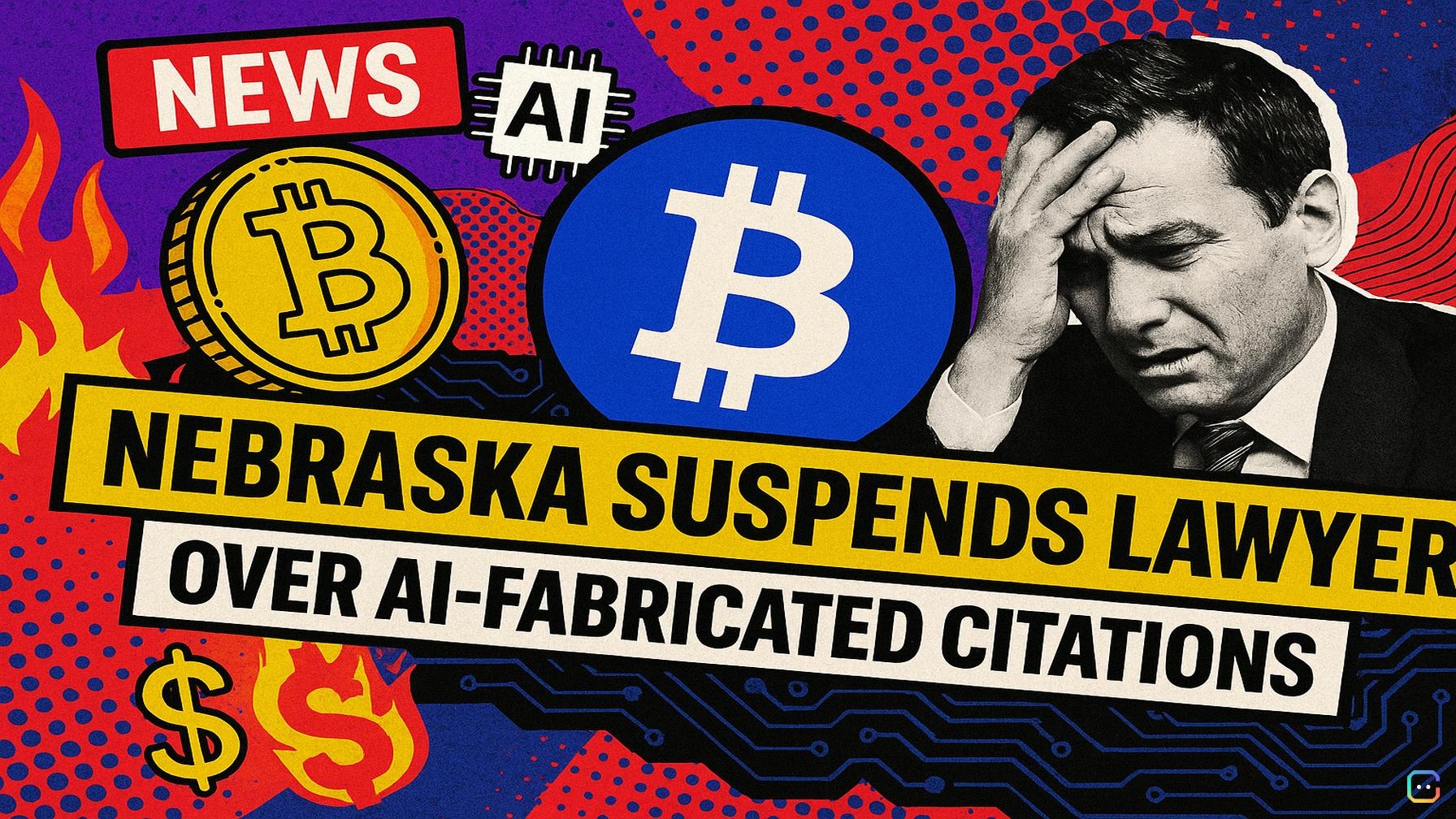
In a landmark disciplinary move, the Nebraska Supreme Court has indefinitely suspended Omaha attorney Greg Lake after a court brief he filed in a divorce appeal turned out to be rife with defective and fabricated case citations. The suspension, issued April 15 and the culmination of proceedings that began in February, would be the first U.S. bar discipline action to bar an attorney from practice entirely over AI-related filing errors if it stands on appeal.
What happened
- Lake’s brief contained 63 citations; 57 were defective. Among those, 20 were “hallucinations” — AI-generated, convincing-looking case references that do not actually exist — and four cited cases were completely invented and not found in any jurisdiction.
- Justices flagged the problems during oral argument in February. When asked how the errors occurred, Lake said he had uploaded the wrong version of the brief after a 10th wedding anniversary trip and computer trouble. The court found that explanation unconvincing.
- The Counsel for Discipline’s investigation concluded Lake had used an AI tool to draft the brief and then denied that use to the court, violating professional obligations of candor toward the tribunal.
Court reasoning and warning
The Nebraska Supreme Court’s unanimous opinion rejected the brief and referred Lake for discipline, noting: “AI, like other technological tools, can be a benefit to the legal community, but it must be used with caution and humility.” The court stressed that the errors were easily avoidable with routine verification using standard legal research platforms and framed Lake’s conduct as a failure of professional duty.
National context
This ruling is part of a growing pattern of legal sanctions tied to AI “hallucinations.” Researcher Damien Charlotin of HEC Paris tracks more than 1,200 such cases globally, about 800 of them in U.S. courts. Other notable sanctions include:
- An Oregon attorney facing the largest aggregate sanction tied to AI-related filing errors to date: $109,700.
- A $30,000 fine by the Sixth Circuit on two Tennessee attorneys — the largest federal appellate sanction linked to fabricated citations.
Why this matters to crypto and AI markets
Legal sanctions over AI hallucinations are doing more than disciplining lawyers: they’re setting early regulatory precedents for how AI tools must be deployed in high-stakes, regulated contexts. The legal profession’s response acts as a “canary in the coalmine” for broader sectors — including finance and crypto — that increasingly rely on AI models for decision-making, advice, and automation.
For the crypto industry, the implications are direct:
- Projects that use AI for trading signals, legal automation, or protocol governance will face increasing scrutiny and will need robust verification, audit trails, and accountability mechanisms.
- Token issuers and infrastructure providers that integrate third-party AI models should expect similar compliance expectations and potentially regulatory rules mirroring those emerging in law, medicine, and government use-cases.
- Investors and developers should factor in operational and regulatory risk from AI errors when assessing protocols, oracles, and advisory services.
Bottom line
The Nebraska decision elevates consequences for sloppy or opaque AI use from fines to potential career-ending sanctions. For crypto builders and investors, it’s a clear signal: responsible deployment means rigorous verification, transparency about AI use, and procedures that prevent model hallucinations from producing real-world harm.
Read more AI-generated news on: undefined/news