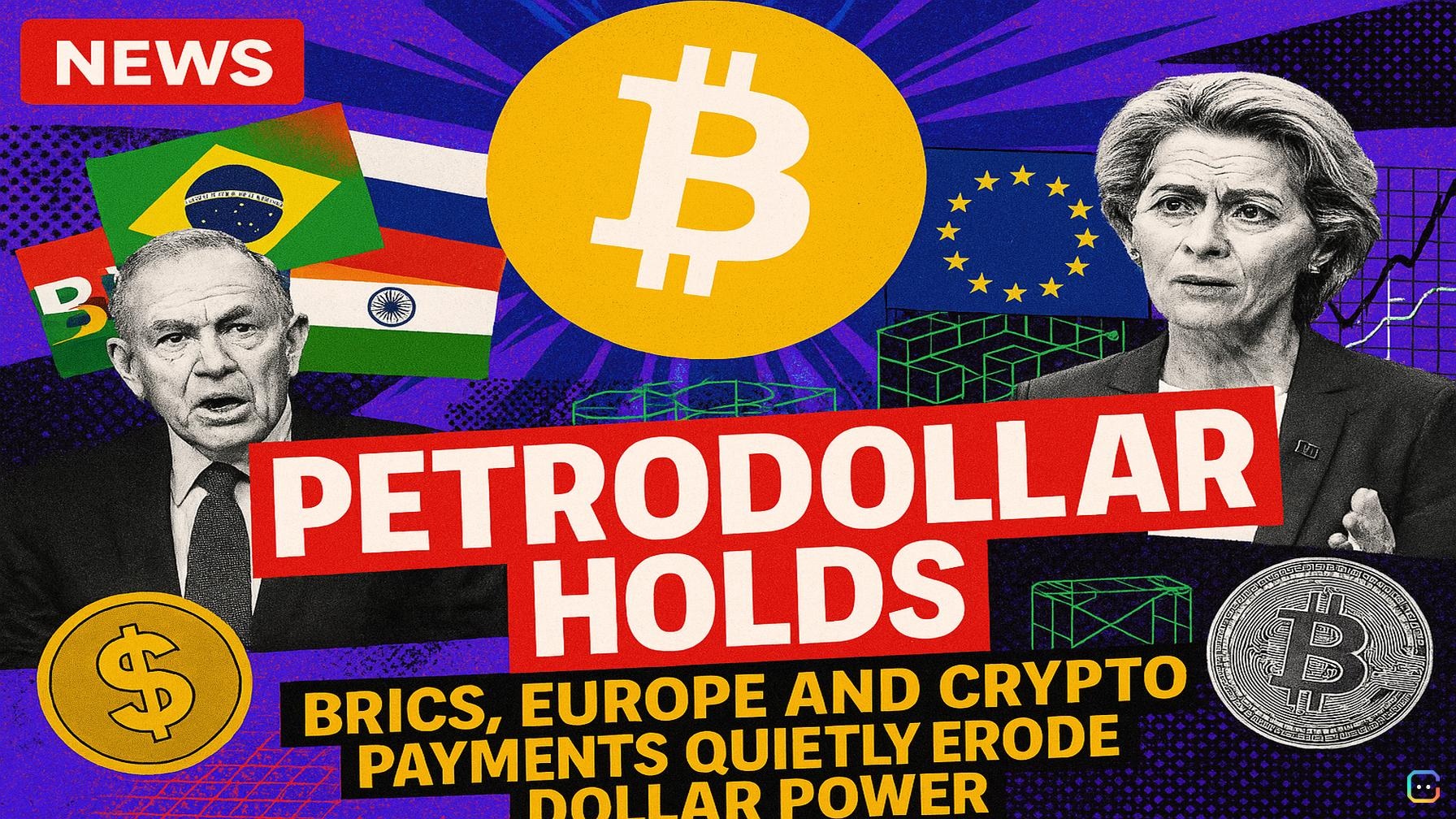
Headline: The petrodollar isn’t collapsing — but BRICS and parts of Europe are quietly chipping away
The US dollar still dominates oil settlements, but the picture is shifting. Investment advisory Sowell Management reports about 80% of oil trades remain priced and settled in US dollars — leaving roughly 20% being paid in local or alternative currencies. That 20% is concentrated largely among BRICS nations and some European partners, and analysts say it could rise toward 25–30% over time.
Why it matters
- The “petrodollar” arrangement — the long-standing de facto use of the US dollar for energy trade — isn’t dead. But growing geopolitical realignments and deliberate policy choices are creating momentum for non-dollar settlements, putting incremental pressure on dollar hegemony.
- BRICS nations are central to this shift. Collectively they account for nearly 40% of global oil production, giving the bloc substantial leverage in energy markets.
Who’s leading the pivot
- China is front and center, actively promoting the “petro-yuan” as an alternative for energy contracts. A number of purchases in oil, coal and copper have already been settled in yuan.
- India and Russia are also diversifying away from dollar-only payments. India has used yuan, ruble, rupee — and even the UAE dirham — for certain energy deals. Russia has similarly encouraged non-dollar settlements in its bilateral trade.
What it could mean for markets and crypto
- Even modest gains in non-dollar settlement share can have outsized geopolitical and financial implications over time. The move toward local currencies opens room for alternative payment rails and instruments.
- For crypto markets and fintech observers, this trend underlines demand for dollar alternatives — from cross-border local-currency arrangements to central bank digital currencies (CBDCs), stablecoins, and tokenized settlement networks — though adoption and impact will depend on policy, liquidity and trust.
Bottom line: The petrodollar remains dominant today, but targeted, incremental moves by energy producers and major emerging economies are laying groundwork for a more multipolar settlement landscape. Watch BRICS energy deals and payment corridors — they could shape the next phase of how global commodities are priced and paid.
Read more AI-generated news on: undefined/news