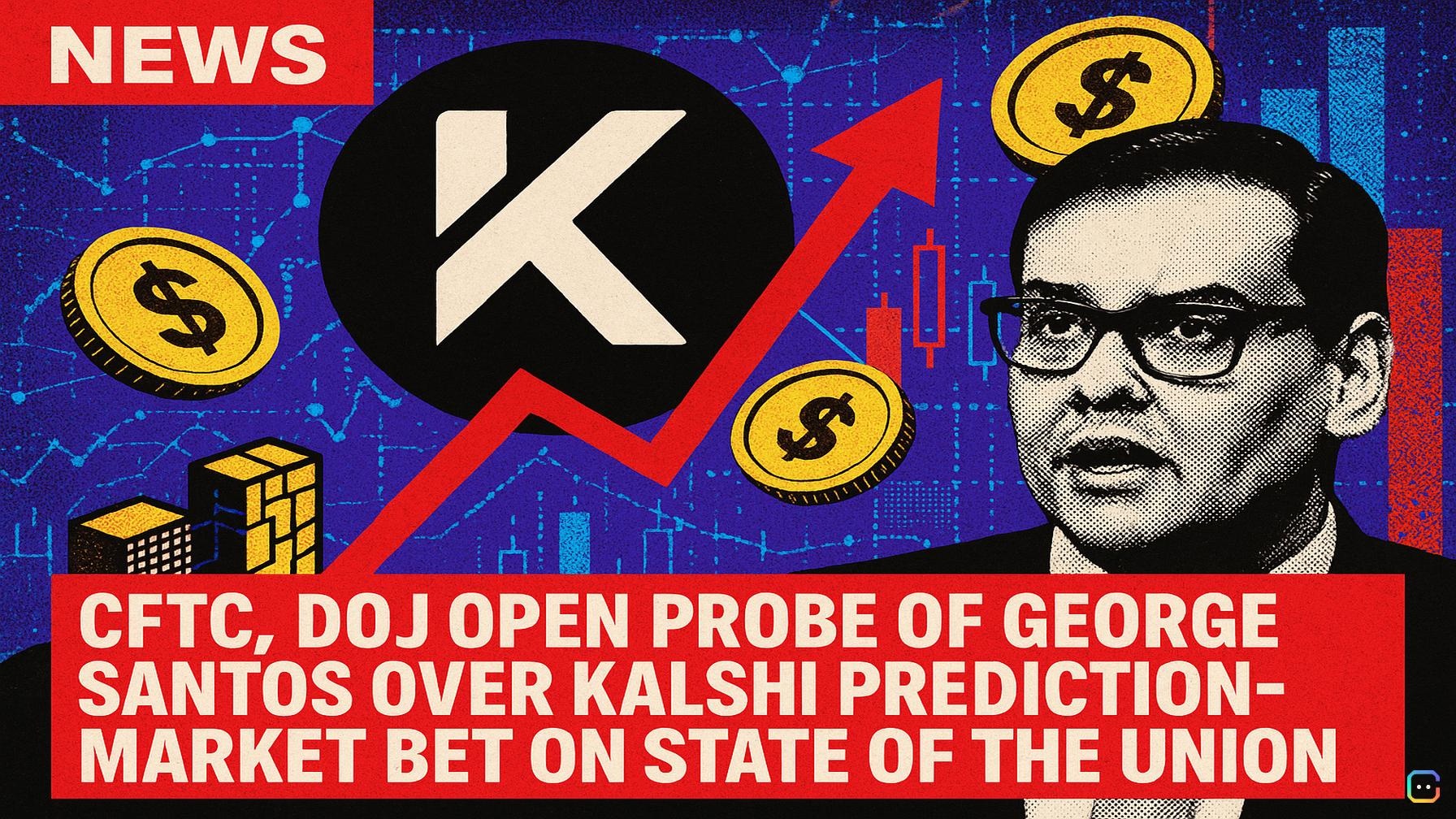
Kalshi, a CFTC‑regulated prediction market exchange, has publicly named and punished two users for insider trading — including an editor who worked for internet superstar MrBeast — highlighting growing enforcement pressure on markets that let people bet on real‑world events.
What happened
- Artem Kaptur, identified as a visual‑effects editor for James Donaldson (known online as MrBeast), placed roughly $4,000 in bets on outcomes tied to the MrBeast show. Kalshi says those trades used nonpublic, show‑related knowledge. The platform suspended Kaptur for two years and fined him more than $20,000.
- In a separate matter, user Kyle Langford reportedly wagered $200 on his own bid for California governor and announced the bet on social media. Kalshi imposed a five‑year ban and fined him 10x the trade amount (roughly $2,000). Langford, who is now running for Congress, had not responded to requests for comment.
Kalshi said these were two of about 200 insider‑trading probes it has opened, with “more than a dozen” still active. The company stressed that insider trading is banned on its exchange — a designated contract market regulated by the Commodity Futures Trading Commission (CFTC) — and that its internal “rule book” authorizes fines and suspensions set at levels meant “sufficient to deter recidivism.”
Responses and regulatory context
Beast Industries, the company that employed Kaptur, issued a statement saying it has “no tolerance” for this conduct and has launched an independent investigation. It also urged Kalshi to be “more open” about its findings in the future.
The CFTC issued an advisory the same day, noting Kalshi handled these cases internally but reminding the public that the agency can investigate and prosecute violations as appropriate. CFTC Chairman Mike Selig praised Kalshi’s enforcement, calling exchanges “the CFTC’s first line of defense” against manipulation, fraud, and insider trading — and warning that bad actors will be pursued.
Why this matters for crypto and prediction markets
Prediction platforms are increasingly visible to crypto and retail traders because they tokenize information risk and offer novel markets on sports, elections, pop culture and other events. That breadth creates tricky enforcement questions: what constitutes privileged information, who is at risk of abusing it, and how far a regulated U.S. exchange’s authority reaches when markets and bettors are global.
Kalshi’s CEO Tarek Mansour has previously likened the platform’s controls to those at stock firms and acknowledged the gray areas — for example, when someone in a stadium might gain advance knowledge about a performer’s set list — while saying the company wants to work with regulators to tighten rules. The CFTC has limited staff (roughly 114 U.S. enforcement employees cited in comments about the agency’s workload), underscoring the practical challenge of policing a diffuse market that can host tiny bets on obscure events worldwide.
Takeaway
Kalshi’s recent actions are a sign that regulated prediction exchanges are actively policing insider trading and that participants — including staffers at high‑profile creators or candidates — can face meaningful sanctions. For crypto and prediction‑market users, the incidents are a reminder to treat event‑linked information carefully: what looks like a small wager can trigger internal penalties and draw regulatory scrutiny.
Update notes: Kalshi’s disciplinary powers are spelled out in its corporate rule book; the CFTC issued an advisory referencing the actions.
Read more AI-generated news on: undefined/news