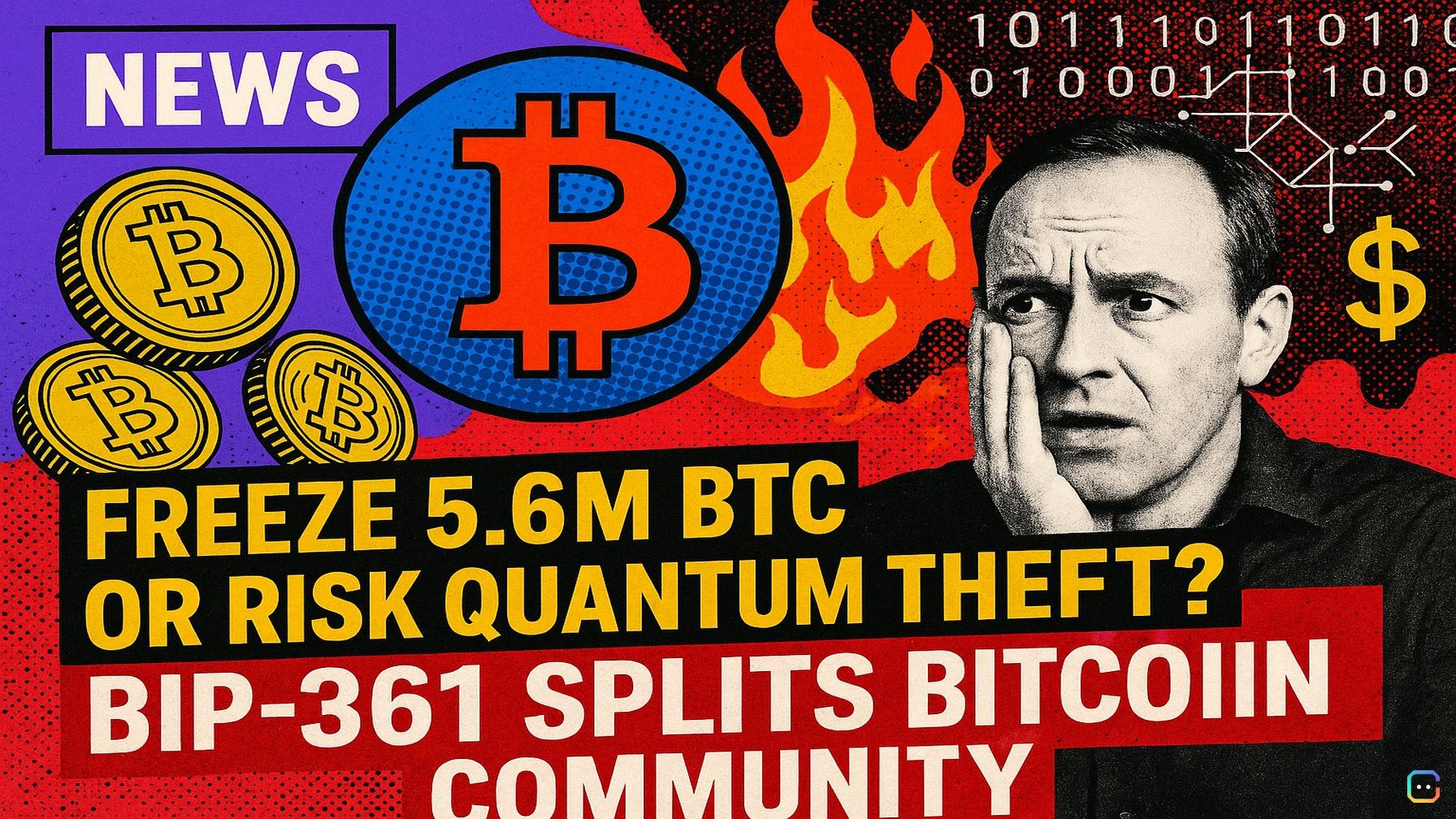
A proposal to freeze roughly 5.6 million long-dormant bitcoins to protect them from future quantum-computing thefts has reopened a bitter debate in the bitcoin community — and some warn it could cause one of the largest single-day market repricings in the asset’s history.
Why this matters now
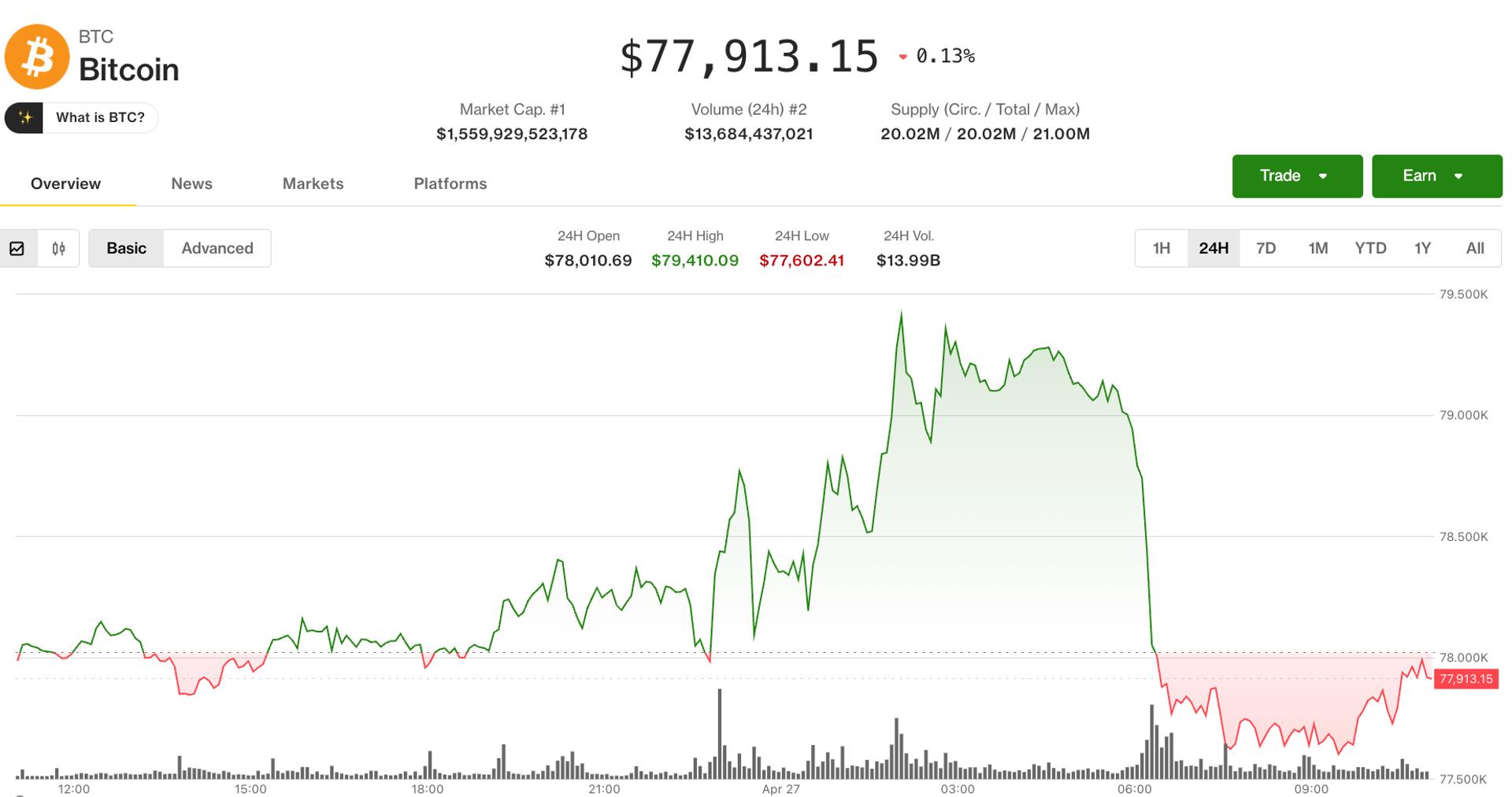
- Around 5.6 million BTC — wallets dormant for more than a decade and using legacy addresses — are considered the most vulnerable if powerful quantum computers ever arrive. At a price near $79,000 per BTC, those coins represent roughly $440 billion.
- A group of core developers led by Jameson Lopp published Bitcoin Improvement Proposal 361 (BIP-361). It contemplates phasing out current signature schemes and includes mechanisms that could freeze assets that fail to migrate to quantum-resistant keys.
- Supporters argue the move would prevent catastrophic theft. Opponents say it would violate bitcoin’s foundational principles and set dangerous precedent.
What proponents say
- Jameson Lopp, a core developer behind BIP-361, has said he would prefer freezing these coins rather than leaving them exposed to future quantum hackers; he already considers many of these funds effectively lost.
- Some technologists and executives see no perfect choice: “freeze funds or let them be stolen,” as Ken Kruger, CEO of Moon Technologies, put it. If handled well, he said, an elegant fix could demonstrate bitcoin’s resilience.
- Market analyst Jason Fernandes warned freezing would trigger immediate repricing — and added that a successful quantum attack could cause an even deeper market reassessment, because institutions would question whether “the system can survive a break in its core assumptions.”
What opponents warn
- Samuel “Chad” Patt, founder of Op Net, argues freezing would change market perceptions by effectively saying the roughly 19.8 million BTC in circulation are “conditionally owned.” He warns institutional risk desks would reprice instantly on that precedent, producing “the worst single day in bitcoin’s history” — not because of a hack, but because the network’s inviolability would be shown negotiable.
- Kent Halliburton, CEO of SazMining, and Khushboo Khullar of Lightning Ventures both say a protocol-level freeze would break bitcoin’s promise of unconditional ownership and would require a contentious hard fork. They favor voluntary migration and tooling improvements instead.
- Mati Greenspan cautioned that cracking early wallets would likely lead to intense bug-bounty-style responses rather than a network rollback or mass freeze, and that “doing nothing is better than doing something” that undermines core principles.
The broader tension
- Defenders of action frame the issue as existential: quantum computing poses a technical threat to bitcoin’s cryptography, and delaying could be catastrophic. Those voices argue the protocol has evolved conservatively before (SegWit, Taproot) and could again, if necessary.
- Critics counter that any mechanism to cancel or freeze coins violates immutability and permissionlessness — key selling points that many investors rely on when allocating capital to bitcoin.
What’s at stake
- Roughly $440 billion in potentially vulnerable BTC and the long-term credibility of bitcoin’s censorship-resistance and property-right guarantees.
- Institutional allocations could be forced to unwind if bitcoin is no longer viewed as offering unconditional ownership, according to some commentators.
Bottom line
The community remains deeply divided between those who prioritize preemptive technical fixes to avert a quantum-era theft and those who view any protocol-level confiscation or freeze as an existential betrayal of bitcoin’s core ethos. With billions at risk and no perfect solution, the debate over BIP-361 crystallizes a fundamental tradeoff: preserve property rights and immutability at the possible cost of security, or accept protocol intervention to avert mass theft — and the precedent that would set.
Read more AI-generated news on: undefined/news