Key takeaways
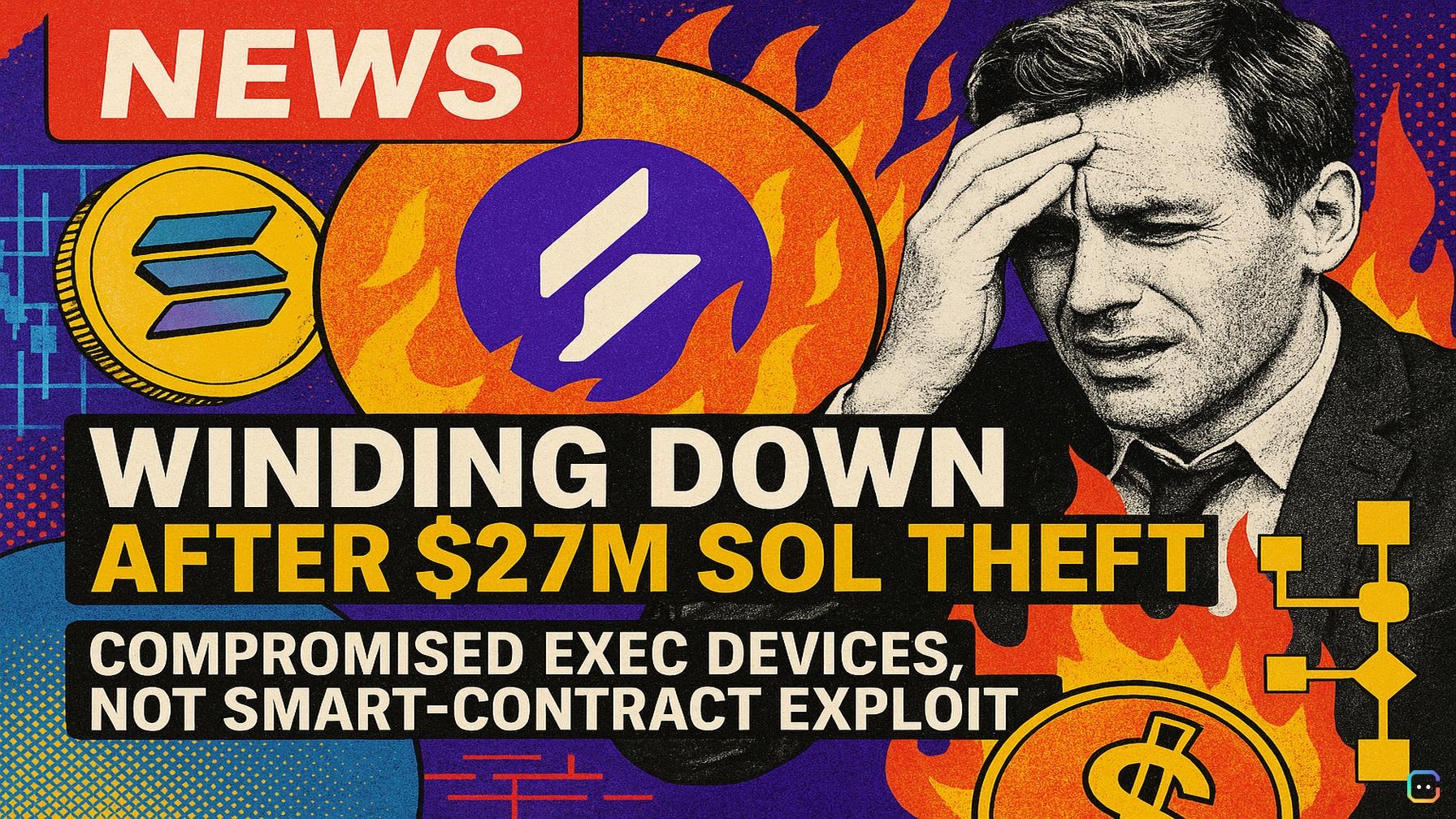
- A costly operational failure: On Jan. 31, 2026, a breach of Step Finance’s treasury wallets led to the theft of 261,854 SOL (about $27 million), highlighting that non‑code vulnerabilities — compromised devices and executive operational security — can be as destructive as smart-contract exploits.
- Real consequences for projects and users: Step Finance has begun winding down operations, and two affiliated platforms, SolanaFloor and Remora Markets, are shutting as well. Recovery options were explored for weeks but ultimately proved unviable.
- Trust and resilience must be rebuilt: Expect stronger calls for transparency, improved key‑management and device security, better capital buffers, and clearer recovery plans across Solana and the wider DeFi space.
What happened
Late last month Step Finance, a widely used Solana DeFi dashboard and portfolio tracker, disclosed a major security incident in which attackers withdrew 261,854 SOL from treasury wallets — roughly $27 million at the time. The team says the attack was not a smart‑contract exploit but resulted from compromised devices linked to company executives, a reminder that human and operational attack surfaces remain critical weak points.
After evaluating options, Step Finance’s team concluded they could not find a viable rescue path and announced they will wind down operations. The fallout extends to two related services: NFT analytics outlet SolanaFloor and tokenised equities protocol Remora Markets, which will also cease operations. The teams said they are preparing a buyback for STEP token holders based on a pre‑hack snapshot and are working on a redemption process for Remora’s rTokens.
Market and ecosystem impact
The breach and shutdown have rippled through Solana’s ecosystem:
- STEP token: collapsed from earlier levels to near‑worthless — the article reports a roughly 96% fall to $0.00057 shortly after the hack, followed by a further decline after the shutdown announcement. STEP’s all‑time high was $10.20 in 2021.
- Solana DeFi TVL: down more than 50% from its late‑2025 peak, sitting around $6.3 billion.
- SOL price: roughly $78 at the time of reporting, about a 74% drop from its January 2025 peak near $293.
- Stolen funds: 261,854 SOL (~$27 million).
These figures underline how quickly capital and confidence can evaporate in smaller or undercapitalised DeFi projects after a major incident.
Why this matters
The episode is a stark case study in operational security failure. It emphasizes:
- The importance of secure device and key management for teams and custodians.
- The need for diversified funding and contingency plans so protocols can survive shocks.
- How reputational damage and user flight can amplify technical losses into existential threats for protocols.
Where things go from here
Despite the shock, Solana development continues: teams are still building in NFTs, DeFi tooling and institutional primitives. But recovery hinges on non‑technical fixes as much as technical ones — transparency about incidents, clearer governance and crisis plans, better insurance and reserves, and a cultural shift toward rigorous operational hygiene.
Some projects will strengthen their practices and survive; others may fade. Whether this becomes a turning point for stronger security and stewardship across Solana — or another cautionary footnote — will depend on how builders, investors and users respond.
Read more AI-generated news on: undefined/news