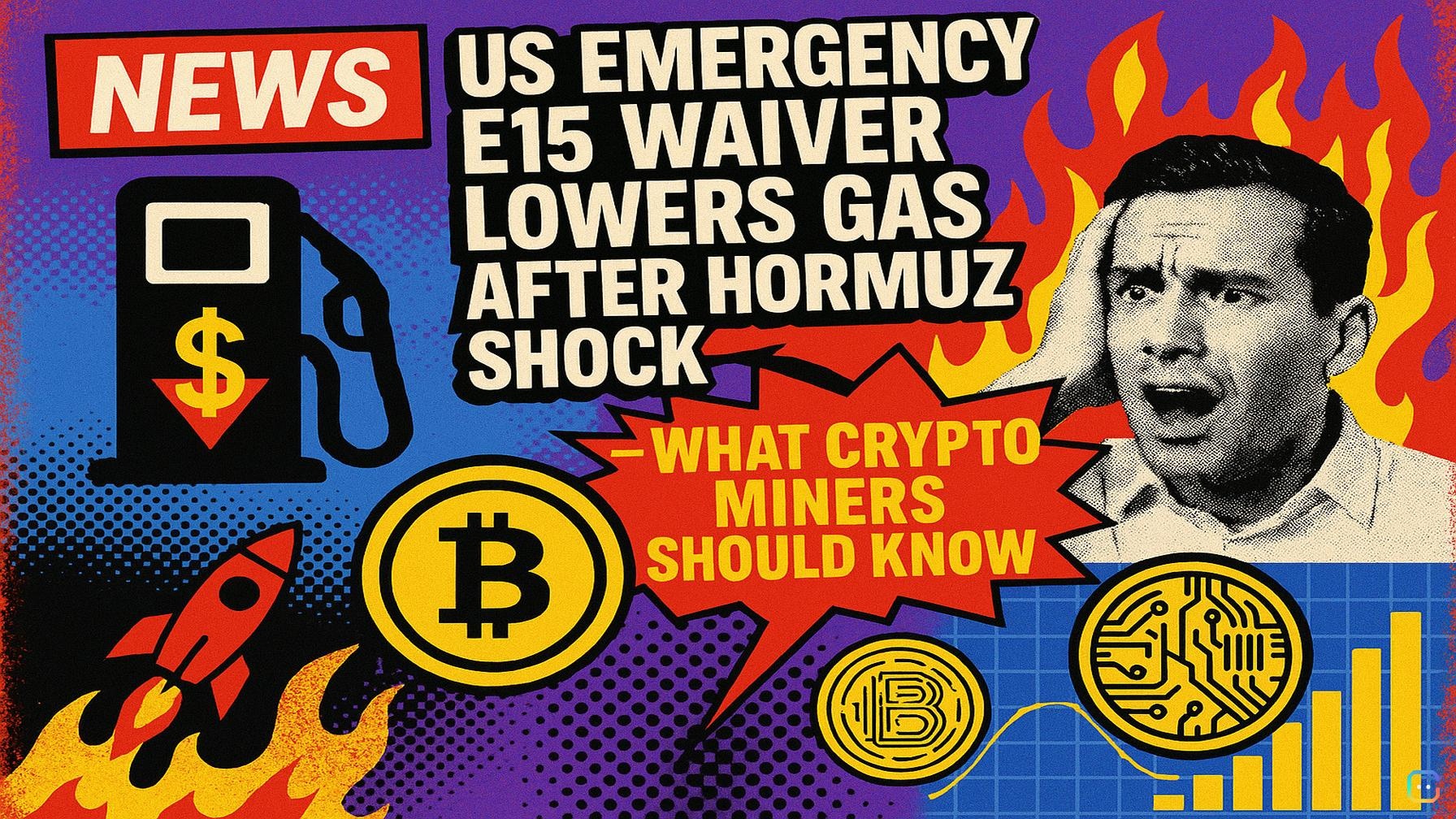
In a rapid policy pivot driven by the war with Iran, the Trump administration on March 25, 2026 issued an emergency EPA waiver temporarily lifting summer restrictions on E15 gasoline. The move — aimed at easing a sudden spike in pump prices tied to disruptions in the Strait of Hormuz — took effect fast and could reshape U.S. fuel options for weeks.
Why now: supply shock from Hormuz
The crisis in the Strait of Hormuz, effectively closed since the conflict began, has taken roughly 20% of global oil supply offline, sending U.S. pump prices sharply higher. At the time of writing the national average hit $3.98 per gallon, more than $1 higher than a month ago. AAA data show gasoline is up more than 30% since the conflict started; diesel has surged over 40% to $5.37 per gallon. Regional spreads are wide — California drivers face an average of $5.83 per gallon, while Oklahoma and Kansas remain near the low end at about $3.27–$3.28.
What the waiver does
E15 contains 15% ethanol and generally sells for less than regular gasoline — the Renewable Fuels Association estimates savings of about $0.10–$0.40 per gallon. Under the Clean Air Act, the EPA typically limits E15 sales in roughly half the country from June through September because of smog concerns. The emergency waiver runs from May 1 through May 20 and can be extended; the EPA also issued a separate temporary waiver for the standard E10 blend. Given the immediate price advantage of E15 and the ethanol lobby’s push for broader access, the administration called this a straightforward emergency step.
Officials and reactions
EPA Administrator Lee Zeldin said: “EPA waivers will work to prevent disruption in America’s fuel supply by keeping E15 and E10 on the market and giving Americans more fuel options.” Agriculture Secretary Brooke Rollins added: “President Trump is unleashing American Energy Dominance, and today’s action will directly lower prices at the pump and gives a clear demand signal to our domestic biofuels producers.”
The waiver drew bipartisan voices of support and caution. Senator Amy Klobuchar had urged the administration to act; the Renewable Fuels Association publicly praised the move. But several lawmakers stressed the limits of a temporary waiver. Senator Deb Fischer (R–Neb.) warned: “This is not a long-term solution, and it is far past time for Congress to make this permanent.” Brian Jennings, CEO of the American Coalition for Ethanol, argued the emergency conditions justified the waiver, pointing to the “historical oil market disruption” caused by the Iran conflict.
The road ahead
With the Strait of Hormuz still largely blocked, officials are likely to extend the waiver beyond May 20. The broader policy question remains unresolved: will Congress make expanded E15 access permanent, or will future administrations rely on repeated emergency waivers to manage fuel shocks? The debate over E15’s role in U.S. fuel policy is far from settled — but this week it moved to the center of the conversation.
Read more AI-generated news on: undefined/news