Iran’s long-running economic isolation is reshaping regional dynamics — and the fallout could matter for oil, global markets, and even the future of currency settlement.
Background: Iran has operated under heavy Western sanctions since around 2010, and nearly 16 years of economic pressure have left the country accustomed to hardship. That endurance gives Tehran a different risk calculus than Washington: while Iran can absorb another economic blow, the United States — whose economy depends on stable global trade, intact supply chains and predictable oil prices — would feel far greater ripple effects from a large regional conflict.
What’s happening now
- The triangular conflict involving the US, Israel and Iran has entered its fourth week, with both escalatory moves and attempts at de-escalation. A reported five-day ceasefire announcement from Trump sits alongside repeated threats from Iran, producing mixed signals on whether the situation will calm or flare.
- Reports indicate Iran has been allowing BRICS partners access to oil via the Strait of Hormuz, easing supply lines for those countries while Western buyers face tightening availability. That squeeze is contributing to rising gasoline prices globally.
- Economists warn that continued disruption to oil flows and global trade could push the world closer to recession; some estimates put the odds of a downturn at roughly 40%.
Why this matters for markets and currencies
- The US is more exposed to the macroeconomic damage a large regional war can cause — disrupted oil supplies can lift fuel prices, unsettle stock markets and erode household savings, hitting average Americans harder than short-term market gains favoring wealthier investors.
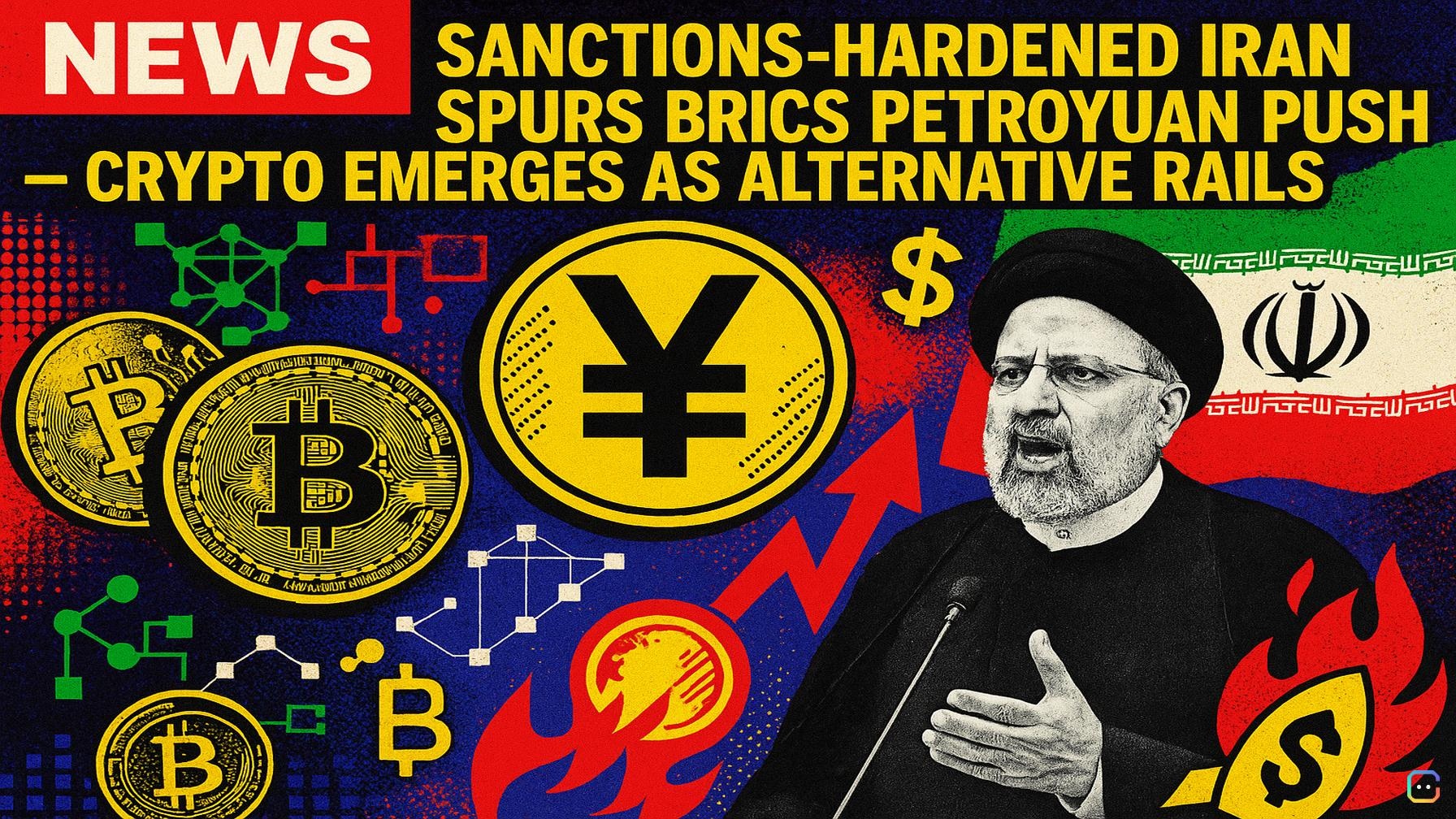
- For BRICS members and other countries seeking to reduce dependence on Western-dominated financial systems, the crisis creates incentives to diversify payment and settlement options for oil. Analysts, including commentary from Deutsche Bank, have suggested the conflict could accelerate moves toward a BRICS “petroyuan” or other alternative currency mechanisms.
- From a crypto angle, political and economic stressors that undermine confidence in traditional settlement systems can increase interest in alternative rails — whether that’s new fiat-denominated settlement agreements among nations or digital currencies that promise faster, cross-border transfers outside established channels.
Geopolitical balancing act
BRICS countries are navigating a delicate line: many want to maintain strategic ties with Iran and secure reliable energy supplies, but they also must preserve trade relationships with the United States and Western markets. That balancing act will influence how quickly and extensively any shift away from dollar-centric oil settlement actually unfolds.
Bottom line
Iran’s long-term sanctions resilience reduces its vulnerability to fresh economic shocks, while the US remains sensitive to disruptions in global trade and oil flows. The ongoing conflict is already straining supplies and prices, and it may accelerate geopolitical and financial moves — including the push within BRICS to diversify away from dollar-dominated energy settlement — that crypto and traditional markets will be watching closely.
Read more AI-generated news on: undefined/news