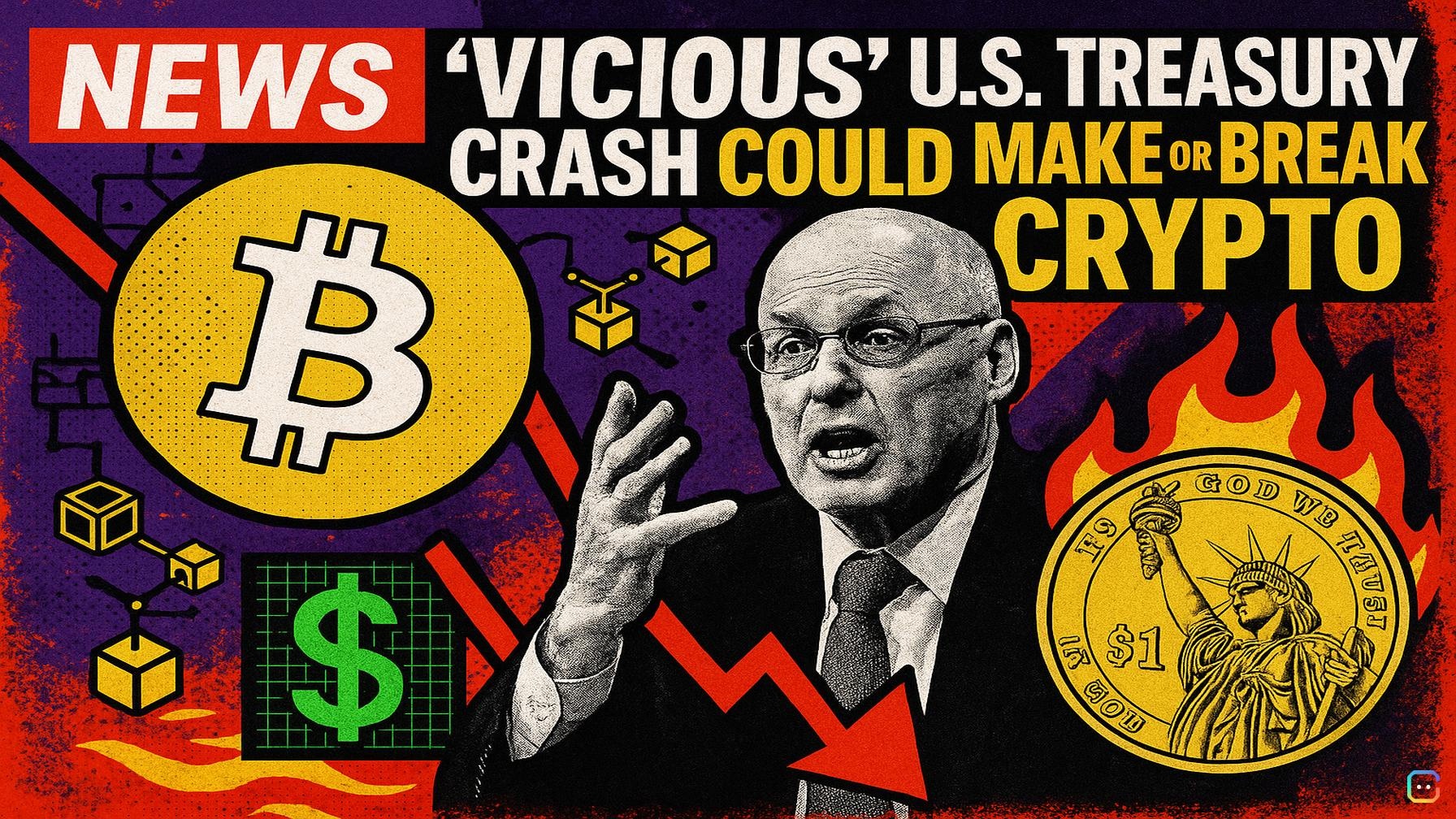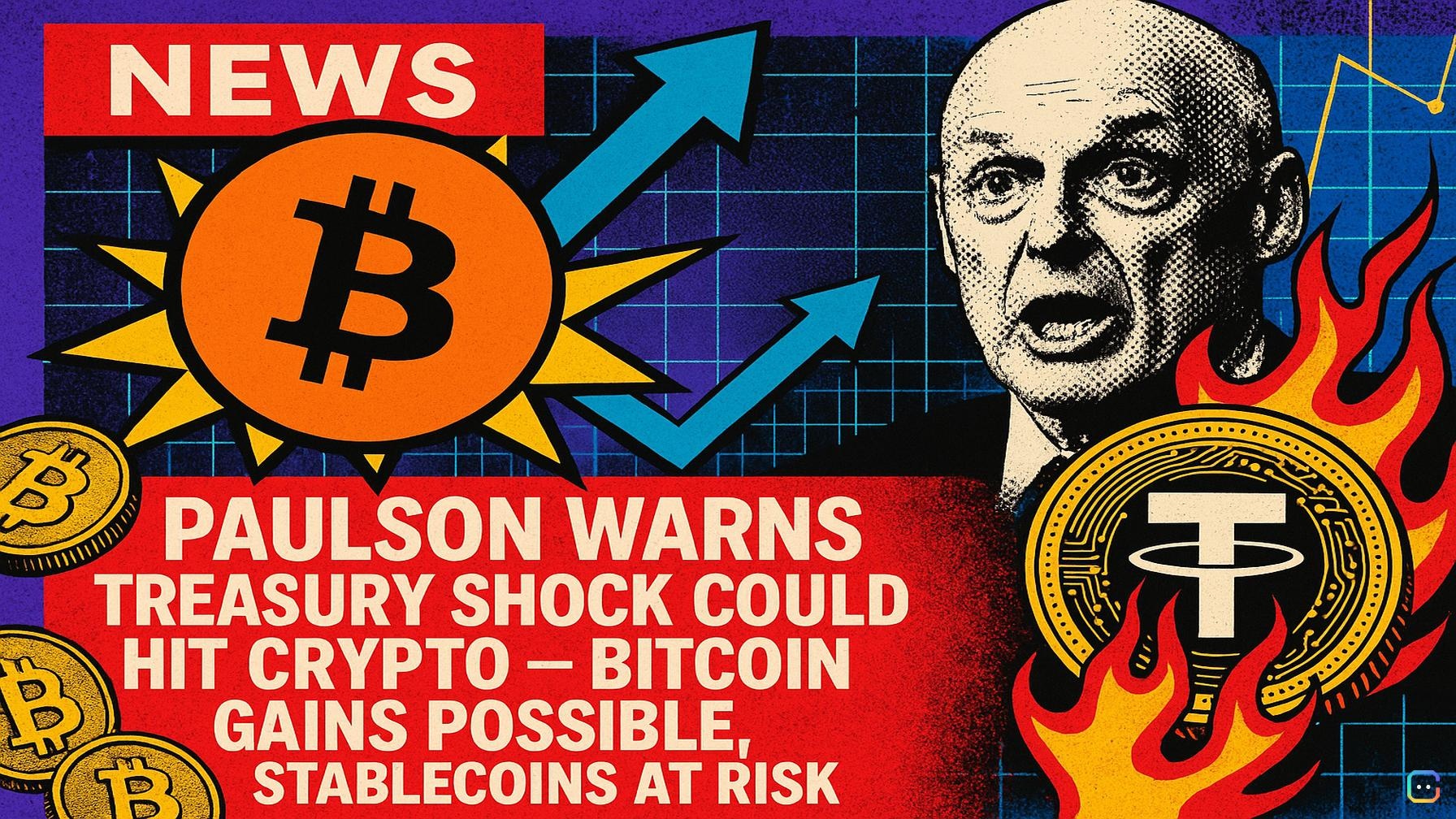
Former U.S. Treasury Secretary Henry Paulson on Thursday warned that a sudden loss of demand for U.S. Treasurys could trigger a “vicious” market shock — and he urged policymakers to have a ready “break-the-glass” emergency plan to be deployed in moments of extreme stress.
Paulson, speaking to Bloomberg, said the plan should be “targeted and short-term” and kept on the shelf until needed: “We need an emergency break-the-glass plan, which is targeted and short-term, on the shelf, so it’s ready to go when we hit the wall,” he said. “When we hit it, it will be vicious, so we have to prepare for that eventuality.”
Why it matters: U.S. government debt has climbed past $39 trillion, and Treasurys are the backbone of global finance — the benchmark for pricing everything from corporate bonds and mortgages to equities. Economists fear a feedback loop where higher debt forces investors to demand higher yields, pushing up borrowing costs and widening the fiscal deficit. If private buyers retreat, the Federal Reserve could be forced to absorb more supply to stabilize markets.
What it means for crypto: the fallout would reach digital assets in mixed ways.
- Upside: A loss of confidence in U.S. debt or heavy monetary easing could drive investors toward alternative stores of value like Bitcoin and gold, and weaken the dollar — a dynamic that historically boosts interest in non-sovereign assets.
- Downside: Crypto is also directly tied to the Treasury market through stablecoins. Major issuers such as Tether hold significant reserves in Treasurys, including Treasury bills and overnight reverse repurchase agreements, creating a transmission channel from stress in the sovereign debt market into crypto liquidity.
Policy response: U.S. Treasury officials have already taken steps to shore up market functioning. On Thursday they accepted $15 billion of older securities maturing between 2026 and 2028 — the largest such buyback to date — aimed at retiring less liquid bonds and injecting cash so investors can reallocate more easily. These liquidity-management moves are meant to stabilize trading, but doubts about long-term demand for Treasurys continue to shape policy discussions.
Bottom line: A disorderly shift in the Treasury market would ripple across traditional finance and crypto alike. Markets and policymakers are weighing short-term interventions to prevent contagion, while crypto participants watch closely for both shelter-seeking flows into Bitcoin and the systemic risks stablecoins could import from sovereign debt stress.
Read more AI-generated news on: undefined/news