Panic Bans AI-Generated Art, Music and Writing From Playdate Storefront — But Coding Tools Carry New Rules
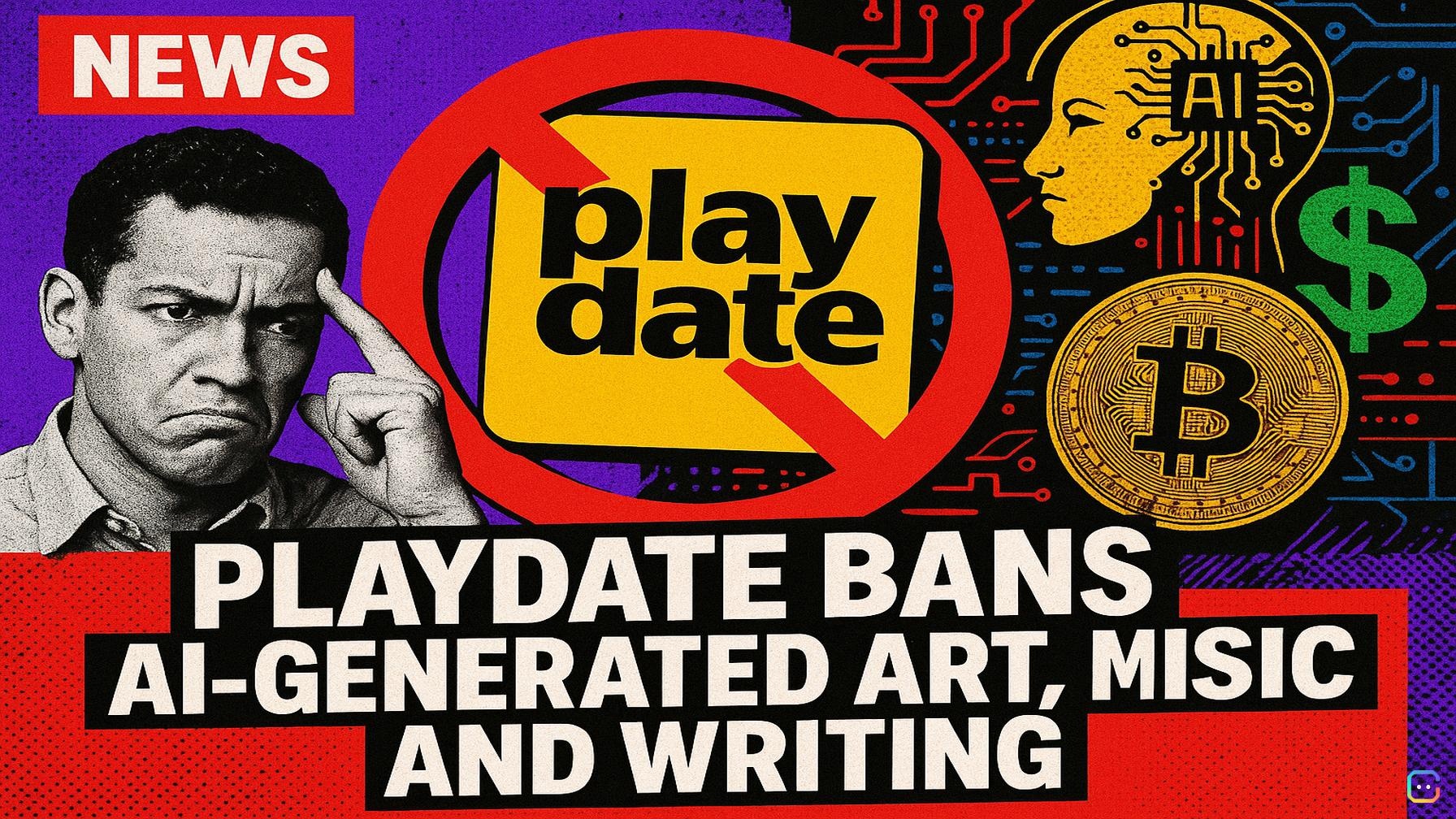
Panic, the indie studio behind the quirky Playdate handheld, has drawn a hard line on generative AI in its digital storefront. The company now forbids third-party games that include AI-generated art, music, or writing — while still allowing developers to use AI coding assistants under tighter transparency rules. After a recent breach of expectations, Panic has also tightened curation rules for its next seasonal collection to ban AI entirely.
What changed
- Panic’s updated Playdate Catalog policy explicitly prohibits any third-party submissions that contain AI-generated creative content (art, music, writing). Co-founder Cabel Sasser told Game Developer: “Playdate Catalog has historically required AI use be disclosed by the developer for any game submissions, that part has never changed. But as of this month, the Playdate Catalog storefront now prohibits AI-generated art, music, and writing from any third-party game submissions moving forward.”
- Coding tools: Panic still permits AI-assisted coding tools such as GitHub Copilot, but developers must disclose their use of such tools to maintain customer transparency.
- Season 3: After reviewing an incident, Panic confirmed on Bluesky that Season 3 developers were contractually required to use no generative AI in any capacity — “this includes art, music, writing, and, yes, code.”
Why it happened
The policy shift follows the discovery that Wheelsprung — a title in Playdate’s curated Season 2 collection — had used ChatGPT and GitHub Copilot for coding and writing assistance. Panic acknowledged the oversight; Sasser told Exputer last year the team’s assumption that a Season 2 dev wouldn’t rely on large language models was “naive,” and he took responsibility for the lapse in review.
Context and industry stance
Panic frames the move as pioneering for game storefronts. “We believe we're one of the first (and possibly only?) digital game storefronts to do this,” Sasser noted, pointing out that major platforms like Steam, Nintendo eShop, PlayStation Store and itch.io still allow AI-generated content in listings. Playdate — launched in 2022 as a boutique handheld with a black-and-white screen and a crank — relies heavily on its Catalog as the primary distribution channel, and Panic says maintaining community trust and game quality motivated the decision.
What this means beyond Playdate
For developers and marketplaces that care about provenance, curation and creator credit — including Web3 projects and NFT-linked games — Panic’s split treatment of creative versus technical AI use highlights a potential policy model: allow productivity-focused AI with disclosure, but restrict or ban AI-generated creative assets to protect perceived artistic integrity. Whether other storefronts follow suit remains to be seen.
Bottom line
Panic’s new rules tighten control over creative outputs for Playdate’s ecosystem and push transparency for AI-assisted development. With Season 3 insisting on zero use of generative AI, Panic has signaled a stricter, curator-first approach that could influence how niche platforms balance innovation, authenticity, and community standards.
Read more AI-generated news on: undefined/news