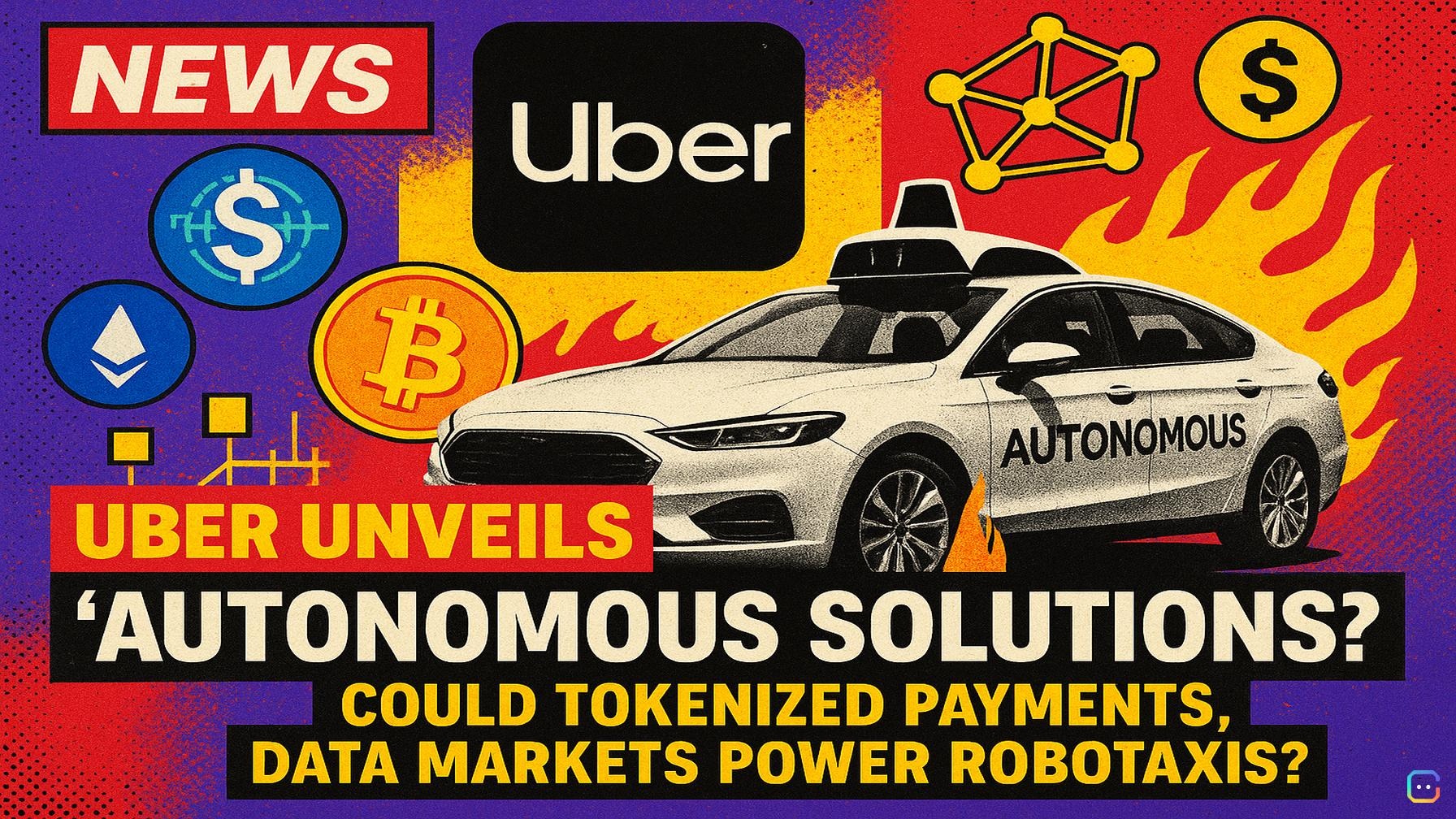
Uber is rolling out a new suite of services designed to plug autonomous vehicle (AV) developers directly into its global ride‑hailing network — a bold push to accelerate robotaxis on its platform and take on rivals like Tesla.
The offering, branded Uber Autonomous Solutions, packages Uber’s decade-plus of on‑demand mobility expertise and access to more than 200 million regular users into tools for AV makers. Uber says the platform will include AI training data, fleet management, user experience design, regulatory support and financing, along with its demand‑forecasting app to help operators match supply with rider demand and recoup the high costs of building self‑driving cars.
“For more than a decade, Uber has helped set the standard for on‑demand mobility and built the capabilities that make ‘push a button and get a ride’ work at global scale,” CEO Dara Khosrowshahi said. “With Uber Autonomous Solutions, we’re externalizing these hard‑won competencies for our partners.” He also cautioned that “innovation in autonomy is moving quickly, but meaningful commercialization will take much longer.”
Markets reacted coolly: Uber shares fell more than 4% on Monday, while Tesla dropped nearly 4%. The dip coincided with renewed scrutiny on AI’s social impact after a negative report about AI‑driven job displacement.
Tesla’s own pivot toward AI highlights the broader tech trend. Last month the EV maker said it would cease production of its long‑running Model S and X to retool its Fremont factory for Optimus humanoid robot manufacturing. Tesla also reported a 3% year‑over‑year revenue decline and an 11% drop in automotive revenue — its first annual sales decline — underscoring why major players are redirecting resources into AI initiatives.
For the crypto space, Uber’s move could open new avenues: blockchain‑based payment rails for micropayments inside robotaxis, token incentives for data and model contributions, and decentralized marketplaces for AV training datasets and regulatory compliance services. While speculative, these are the kinds of integrations that could emerge as mobility platforms commercialize autonomy and seek decentralized, transparent ways to manage data, payments and stakeholder incentives.
Read more AI-generated news on: undefined/news