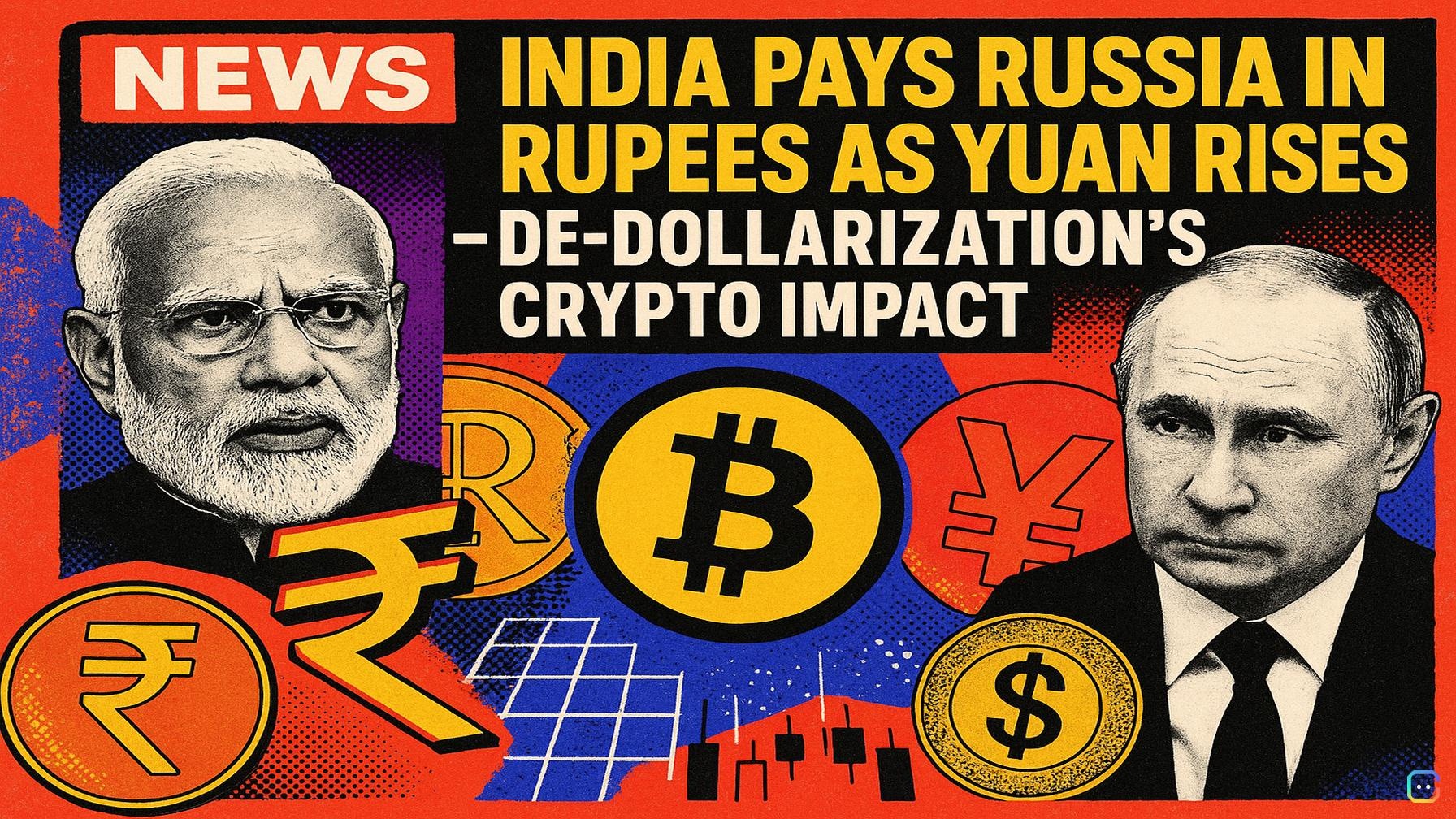
Headline: De-dollarization Watch: Indian Refineries Pay Russia in Rupees as Yuan Gains Ground — What It Means for the USD and Crypto
The US dollar’s recent resilience — propped up by inflation concerns and safe-haven flows amid the US–Iran war — is showing cracks. A fresh bout of currency competition and shifting energy payment practices are adding pressure on the greenback, and the ripple effects could matter to crypto markets as well.
What’s happening
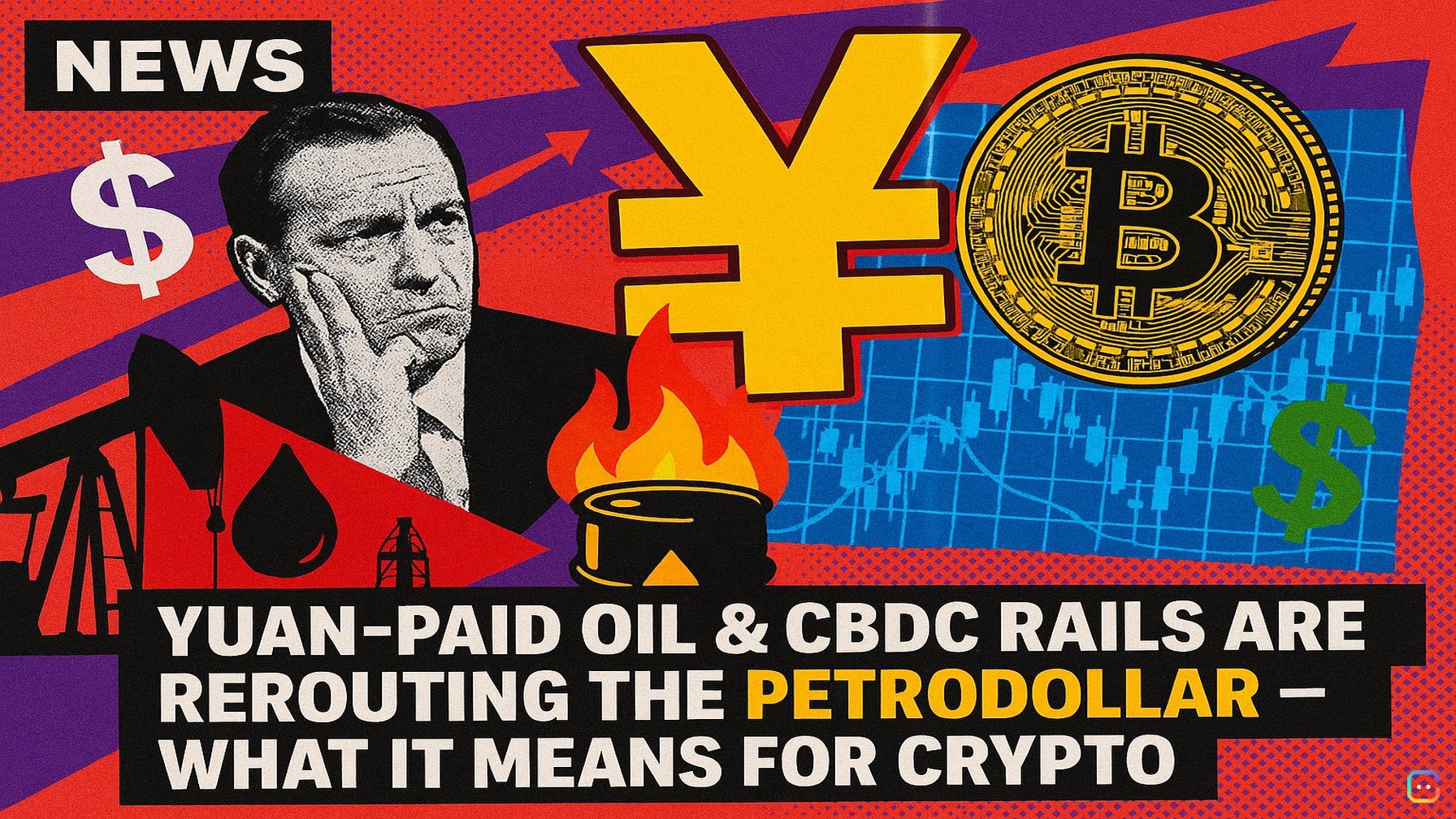
- Indian refineries are increasingly paying Russian suppliers in Indian rupees, according to a Business Standard report citing sources familiar with the matter. Those rupee proceeds are being deposited into designated Russian overseas accounts and then converted into other currencies such as the Chinese yuan and UAE dirham, reducing the role of the dollar in these trades.
- Russian sellers have also signaled openness to receiving payments in Singapore dollars and Hong Kong dollars depending on buyer convenience and banking capabilities — another sign of deliberate dollar diversification.
- Washington had previously eased restrictions that allowed India to increase Russian crude purchases amid the geopolitical turmoil. Russia’s currency-flexible approach looks designed to blunt exposure to US policy levers and lower reliance on the dollar for energy revenues.
Why this matters now
- The shift comes amid geopolitical disruptions that are tightening oil markets. Threats to shipping routes around the Strait of Hormuz and broader Middle East tensions have pushed energy prices higher and fanned inflation worries in major economies — a dynamic that historically supports the dollar but also incentivizes alternatives to USD-denominated trade.
- Practical fallout is already visible: a Kobeissi Letter post flagged a worsening fuel shortage in Australia, with over 500 gas stations reportedly out of fuel — 187 of them out of diesel and 32 out of all fuel types — illustrating how energy market stress can produce immediate, real-world supply impacts.
Diplomacy and escalation
- Tensions remain high: Iran publicly rejected a US peace proposal and issued five conditions for any settlement, including an immediate halt to attacks and assassinations, concrete guarantees against future strikes, and compensation for war damages. Those demands complicate diplomatic pathways and prolong market uncertainty.
Implications for the dollar — and crypto
- The trend toward receiving and routing payments in rupees, yuan, dirhams, and other non-USD currencies is an example of incremental “de-dollarization.” If it scales across energy markets, it could gradually erode the dollar’s dominant role in trade settlement and reserve accumulation.
- For crypto markets, the implications are layered: greater fragmentation of fiat-denominated settlement could raise demand for flexible cross-border payment rails, including tokenized assets and stablecoins denominated in non-USD currencies. Simultaneously, inflation pressures and geopolitical risk often lead some investors to consider crypto and digital gold alternatives as hedges — though these remain volatile and speculative.
Bottom line
The move by Indian refiners to settle more Russian oil trades outside the dollar — combined with yuan substitution and broader currency flexibility from Russia — is a notable development in a wider push to reduce dollar dependence. With energy markets tight and geopolitical uncertainty persisting, watch for continued currency-market volatility and potential knock-on effects for cross-border payments and crypto adoption.
Read more AI-generated news on: undefined/news