The US dollar is starting to show cracks as geopolitical tensions around the US‑Iran war reshape global trade and payments — but the picture is complicated. While earlier risk and inflation fears helped the dollar hold up, new moves by major trading partners are chipping away at its dominance.
What’s happening
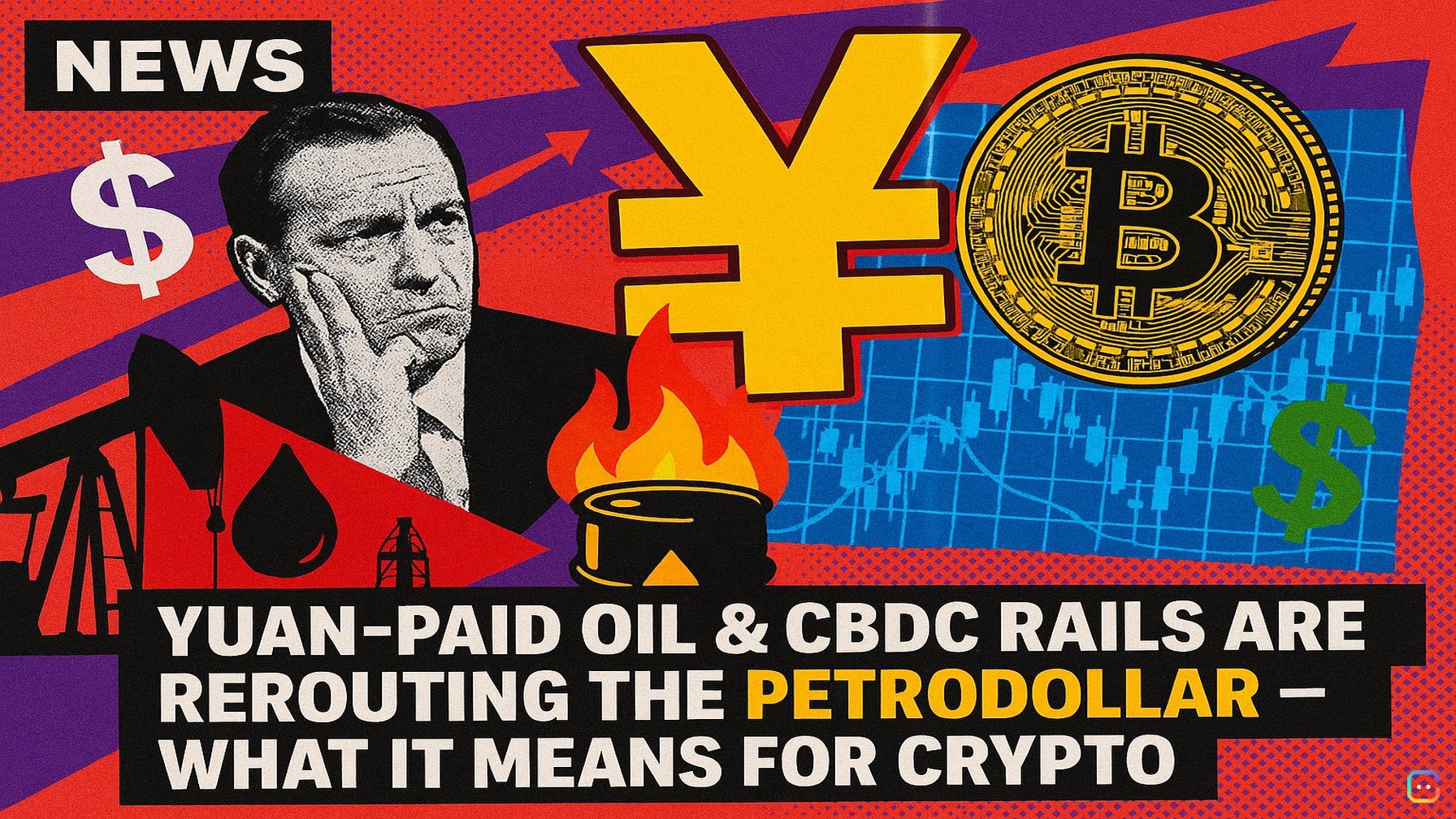
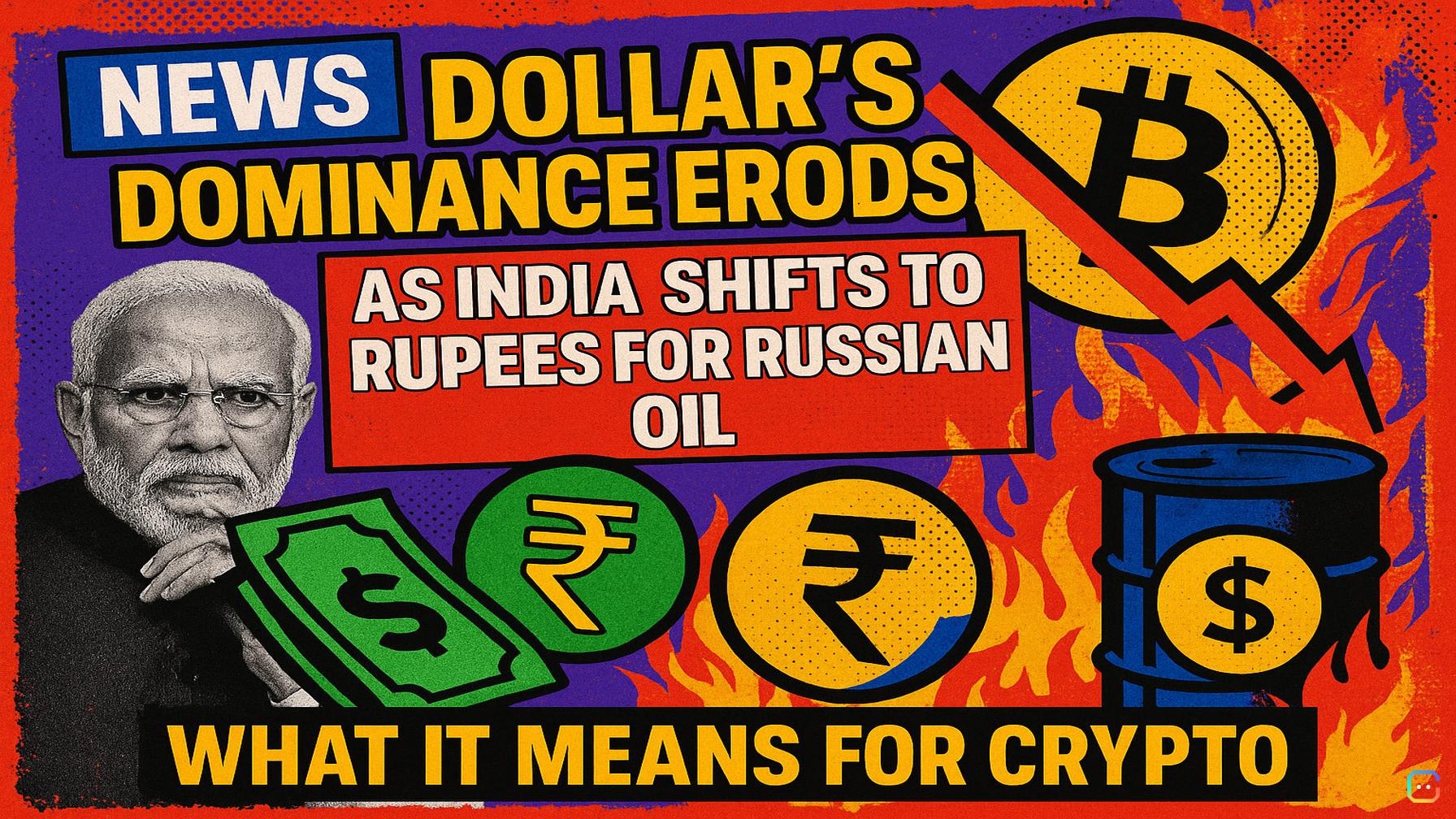
- India has begun paying Russian oil suppliers in rupees, according to the Business Standard. Those rupee proceeds are reportedly deposited into special overseas Russian accounts and then converted into other currencies such as the yuan and UAE dirham — reducing direct exposure to the dollar.
- Russia is also reportedly willing to accept Singapore and Hong Kong dollars depending on buyer convenience and banking capabilities. These patterns align with Moscow’s broader push to limit dependency on the US dollar and on US policy measures.
- New currency arrangements follow Washington’s earlier permission for India to import Russian oil amid the broader US‑Iran conflict.
Why this matters
- The closure and disruption of shipping routes such as the Strait of Hormuz — part of the wider conflict fallout — have tightened oil flows and pushed up global energy prices, heightening inflation concerns across major economies.
- Concrete knock‑on effects are already visible: the Kobeissi Letter reported more than 500 Australian service stations running dry, including 187 out of diesel and 32 out of all fuel types, illustrating how supply shocks can quickly become local crises.
Diplomatic backdrop
- Iran has rejected a recent US peace proposal, setting five conditions for an end to hostilities. Publicly disclosed demands include an immediate halt to attacks and assassinations targeting Iran, guarantees against future US attacks, and reparations for war damages.
What it means for markets and crypto
- The move away from dollar‑settled oil trades strengthens the yuan and regional currencies as alternatives to the dollar in energy markets — a geopolitical shift with potential long‑term implications for global reserve currency dynamics.
- For crypto markets, greater fragmentation in fiat settlement systems and rising inflation risks can influence flows into digital assets and stablecoins, especially dollar‑pegged ones. Traders and institutions will watch whether currency diversification accelerates demand for non‑dollar stores of value.
Bottom line
The US dollar’s recent resilience faces new structural pressure as major energy buyers and sellers adopt alternative currencies. Combined with supply disruptions and escalating regional tensions, these developments are worth close attention — not just for FX desks and commodity traders, but for crypto participants watching how global payments and reserve preferences evolve.
Read more AI-generated news on: undefined/news